

Small living rooms can feel a bit like playing a real-life game of Tetris. You’ve got sideboards, TVs, cabinets, and seating, and suddenly you’re trying to fit them all together without blocking walkways or making the room feel crowded.
The good news is, with a few careful moves, you can make everything fit comfortably. Leaving your space practical, welcoming, and surprisingly stress-free.
In this guide, we’ll share tips for getting the most out of limited living room space.

Clever Use of Corners
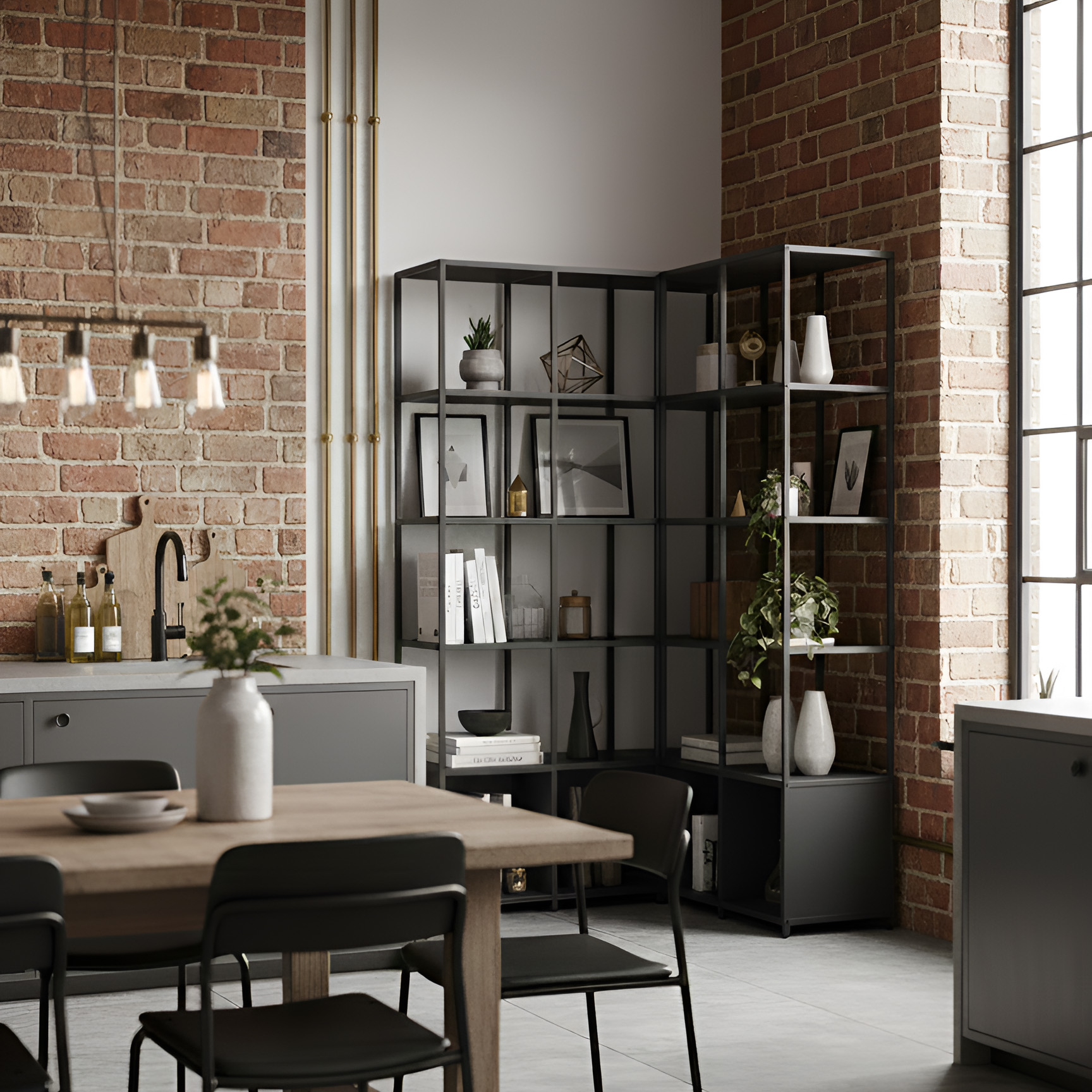
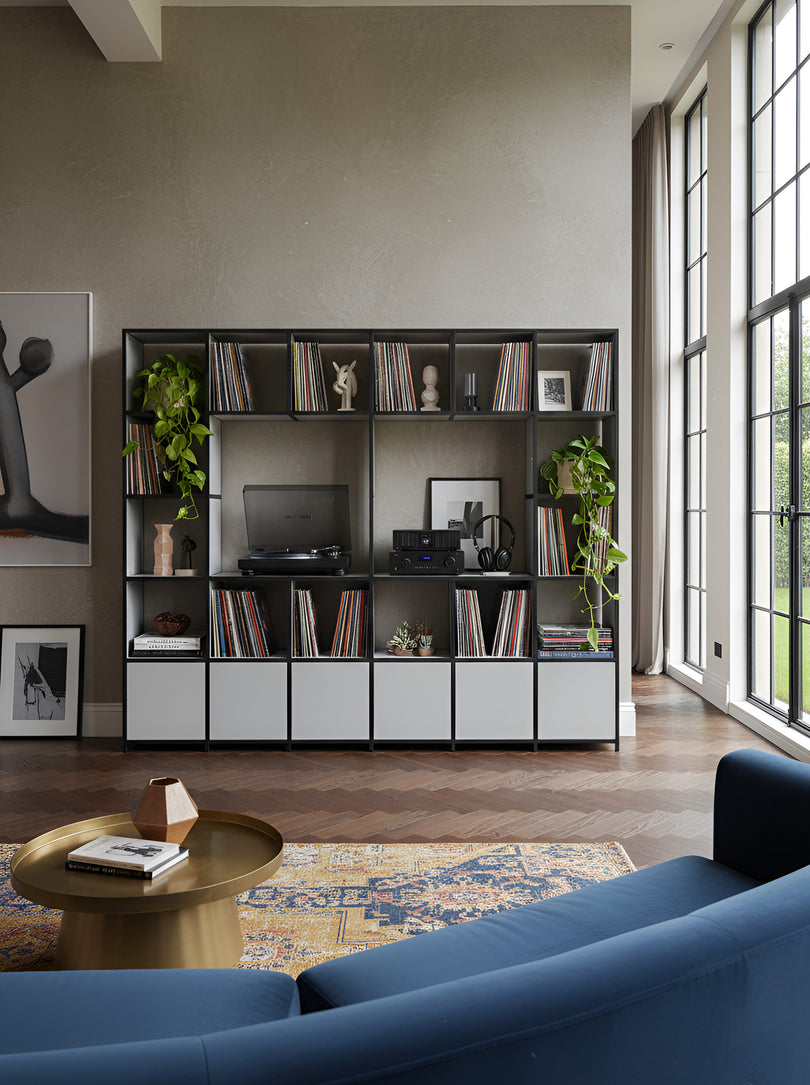
Corners are often overlooked, but they are ideal for adding extra storage without taking up central floor space. A corner shelving unit can hold books, media, or decorative items while freeing up your main walls for seating and circulation.
The key is to keep the centre of the room open. Even a small corner unit can make a big difference if you choose one with a low profile or simple design. Styling can be minimal but thoughtful, such as a small plant, a framed photo, or a neat stack of books. With corners working for you, the whole room will feel larger and more organised.

TV Units for Small Living Rooms
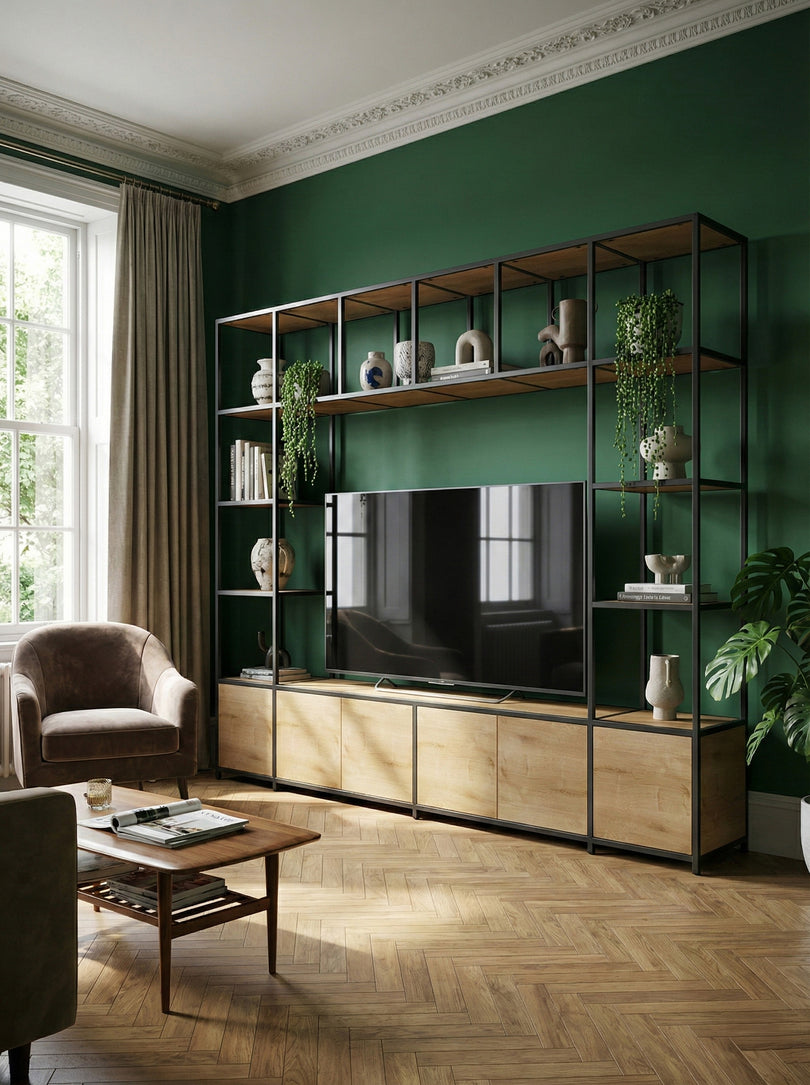
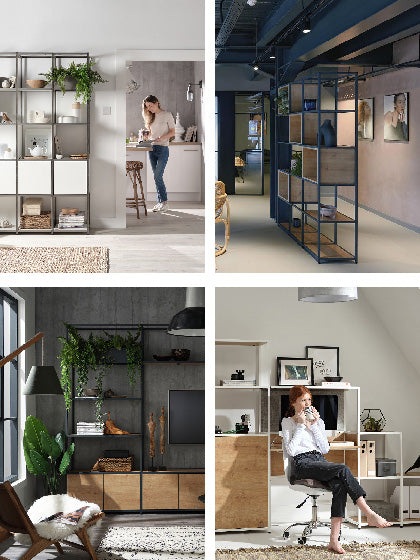
A well-chosen TV unit can make a surprising difference in a small living room. Low, wide units tend to work best because they keep sightlines clear and make the room feel lighter and more spacious. Modular or adaptable units are also useful because you can adjust them if your layout changes over time.
Storage matters just as much as size. Cubbys and cupboards are perfect for storing remotes, consoles, and cables, while a couple of open shelves can display books or decorative items without overcrowding the space. When planning placement, think about walking space and viewing comfort. Walls are usually safest, but corners can also work if it helps open up the centre of the room. The goal is a unit that fits naturally into the room, offering function, storage, and subtle styling.

Making the Most of Alcoves
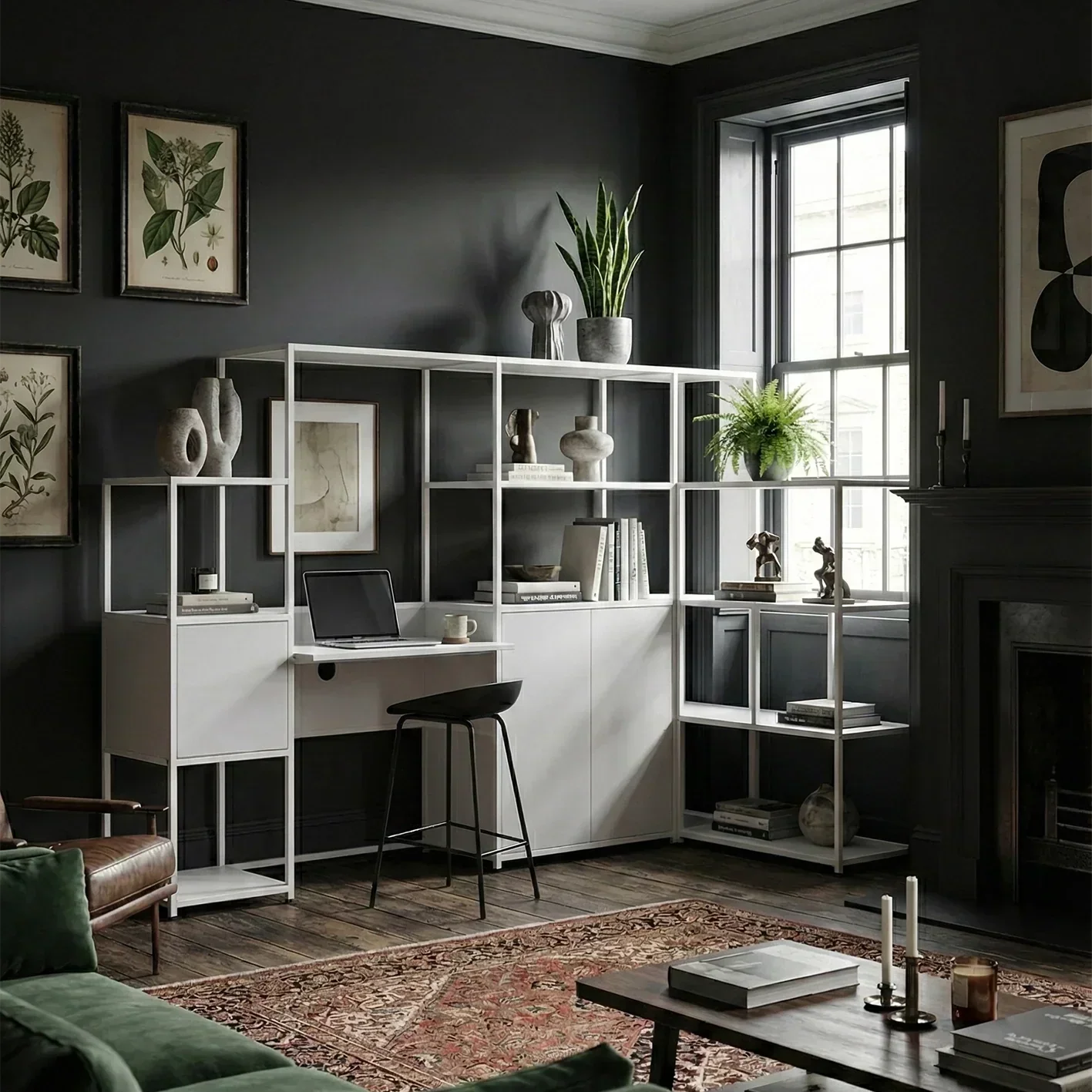
Alcoves are often awkward to deal with, but in a small living room they can be a real advantage. Their shape naturally suits storage, especially when floor space elsewhere is limited. Using freestanding or modular shelving in an alcove helps you make use of the full height without pushing furniture into the centre of the room.
Alcoves work particularly well for storing items you use regularly, such as books, media, or home tech, as everything stays contained in one place. Keeping storage vertical also means you can leave more wall space free for seating or a TV unit. The key is to choose shelving that fits the width of the alcove closely, so it feels purposeful rather than like an afterthought. Used well, alcoves can take a lot of pressure off the rest of the room and make a small living space easier to live in day to day.

Bringing It All Together
A small living room does not have to feel limiting. Thoughtful TV unit choices, clever corner shelving, and smart use of alcoves can create a space that is both practical and welcoming. Start with one area, like the TV wall or a corner, and build gradually. Even small changes can make a big difference. With a few considered choices, your small living room can feel open, organised, and just right for everyday life.
FAQs
What’s the best way to plan furniture layout in a small living room?
It usually helps to start with the largest pieces, such as the sofa and TV unit, and build around them. Make sure there’s clear walking space and try to keep the centre of the room as open as possible. Small adjustments to layout can have a big impact on how comfortable the room feels.
Are modular storage units a good option for small living rooms?
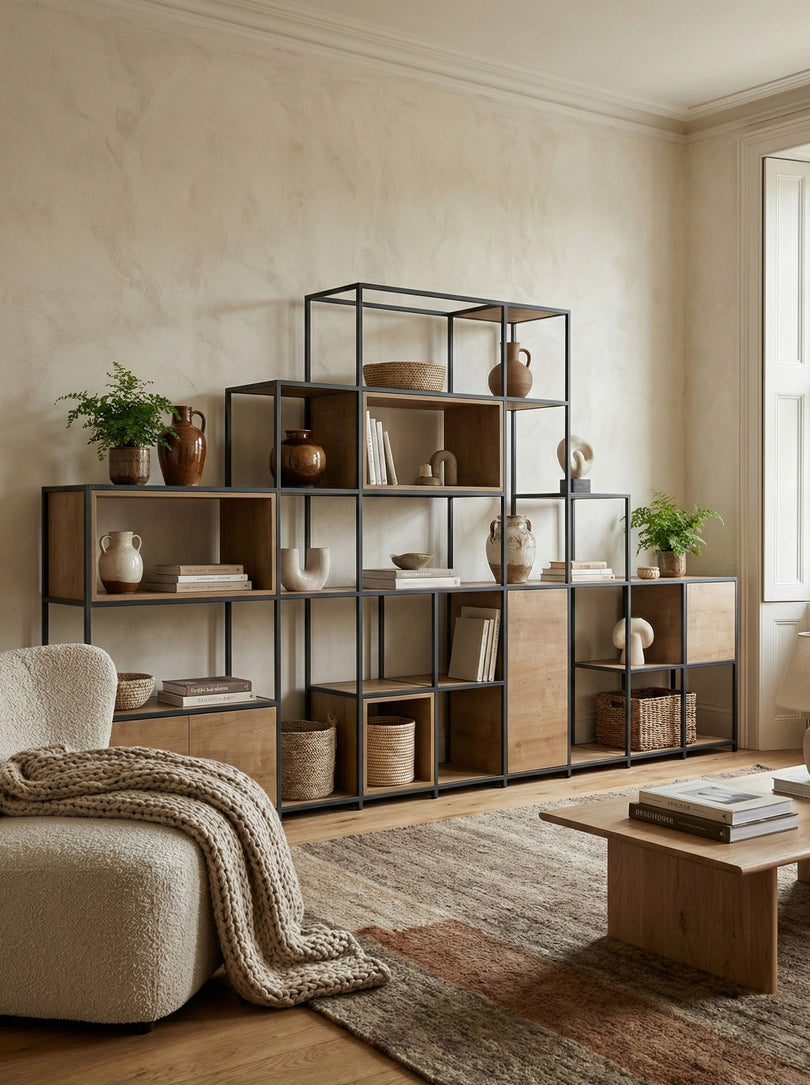
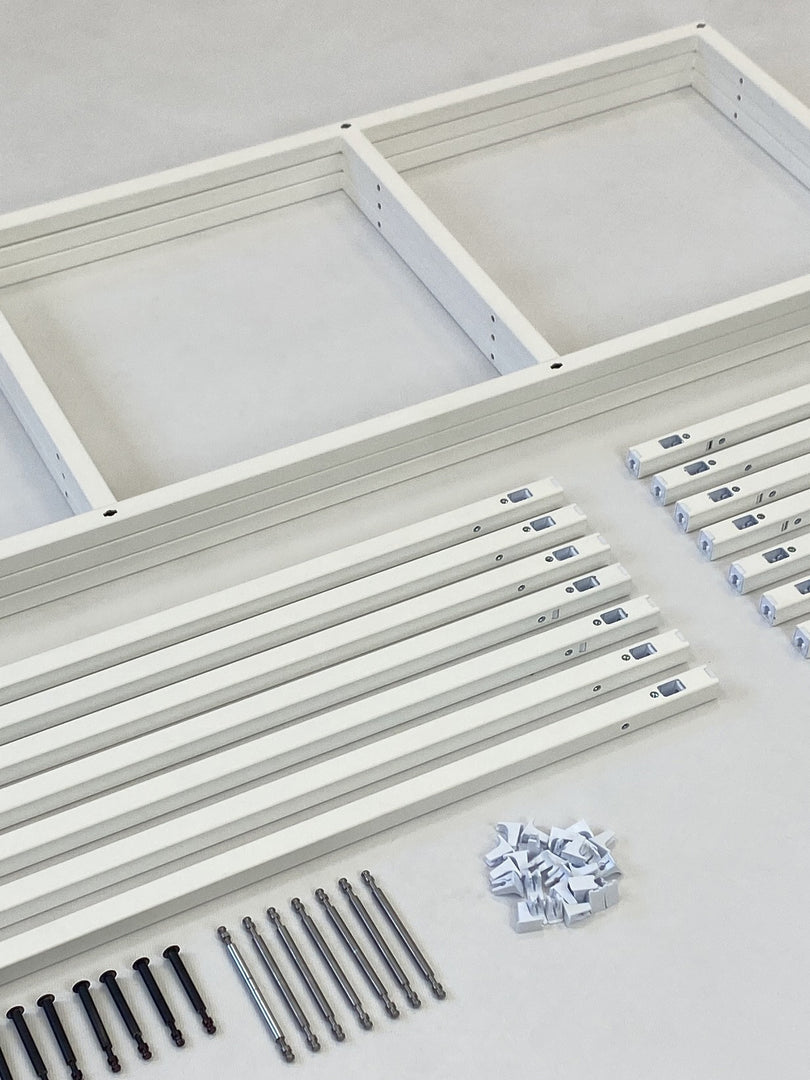
Modular storage is a great option for small spaces because it can be tailored to fit your layout. You can choose only the pieces you need and adapt them over time if your room changes. This flexibility helps avoid overcrowding the space with furniture that no longer fits.
Is it better to store things vertically or horizontally in a small space?
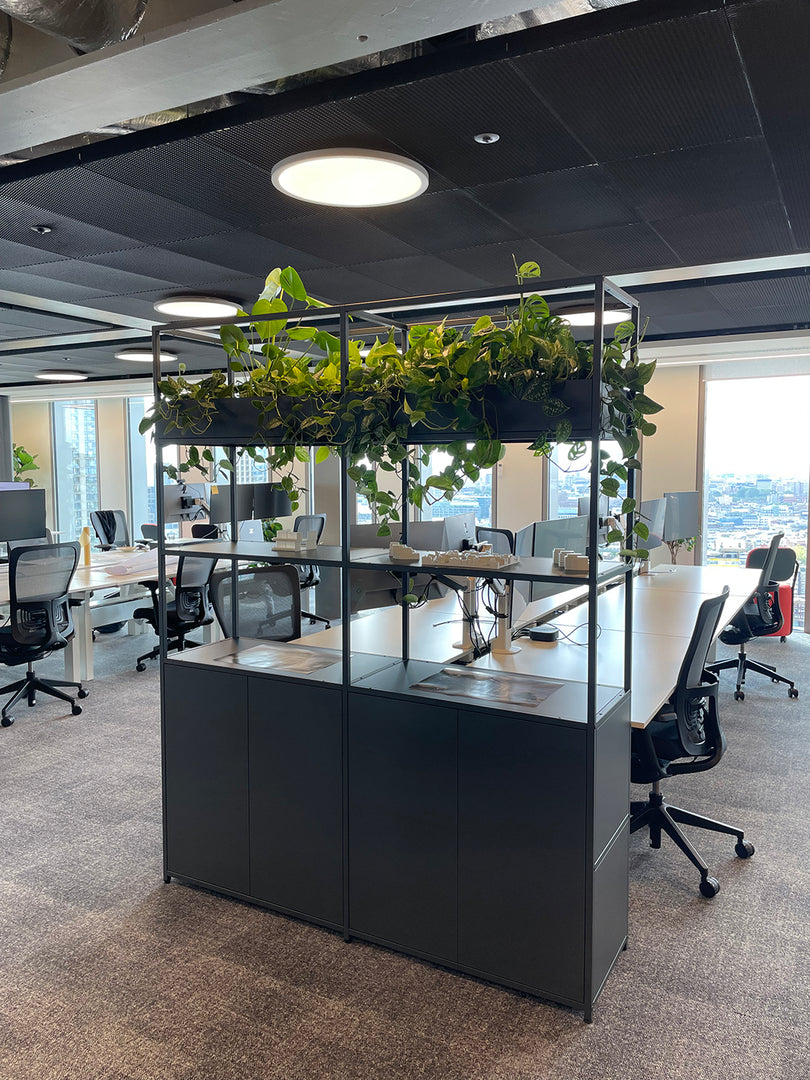
Vertical storage is often more effective in small living rooms because it makes use of wall height rather than floor space. This approach helps keep the room feeling open and leaves more space for seating and movement.
How high should a TV be in a small living room?
A TV should generally be positioned so the centre of the screen is roughly at eye level when seated. In a small living room, keeping the TV lower often helps the space feel more balanced and avoids drawing attention upwards, which can make the room feel tighter.
How can I use alcoves without taking up too much space?
Alcoves are ideal for vertical storage, as they allow you to make use of height rather than floor space. Shelving or storage that fits neatly within the alcove keeps everything contained and helps the rest of the room feel more open and balanced.
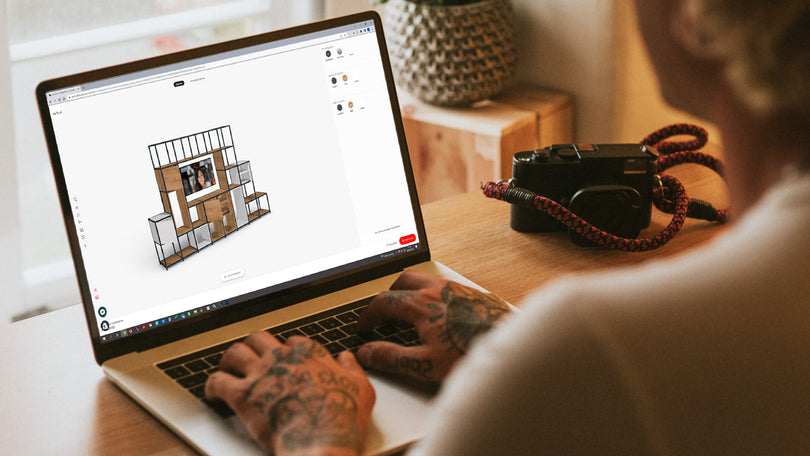
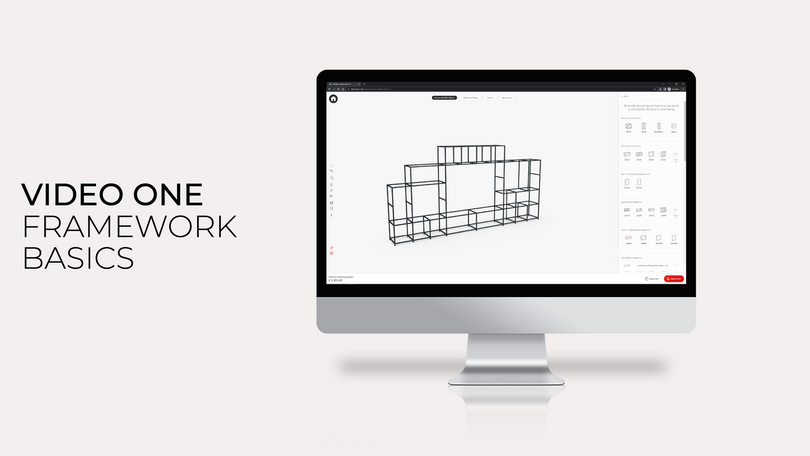
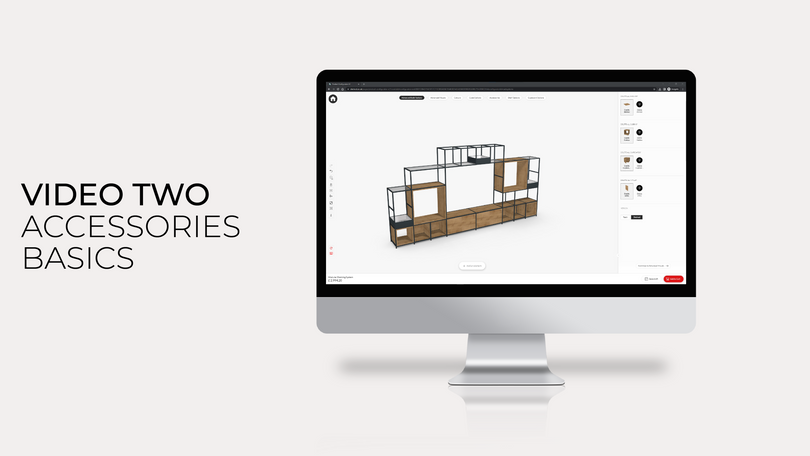
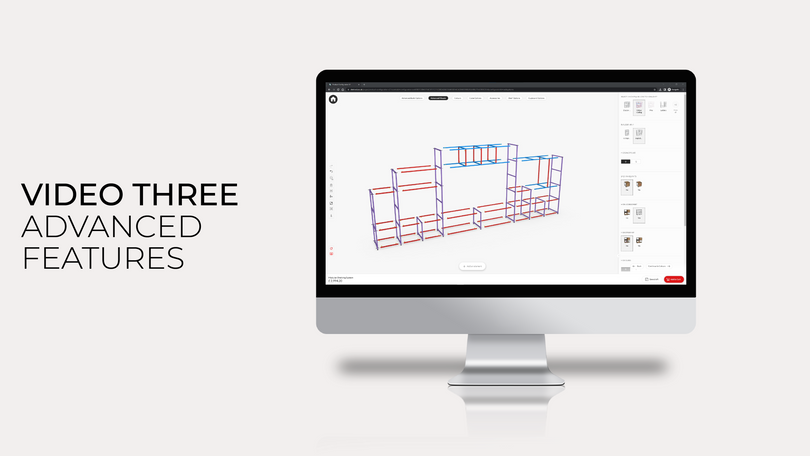
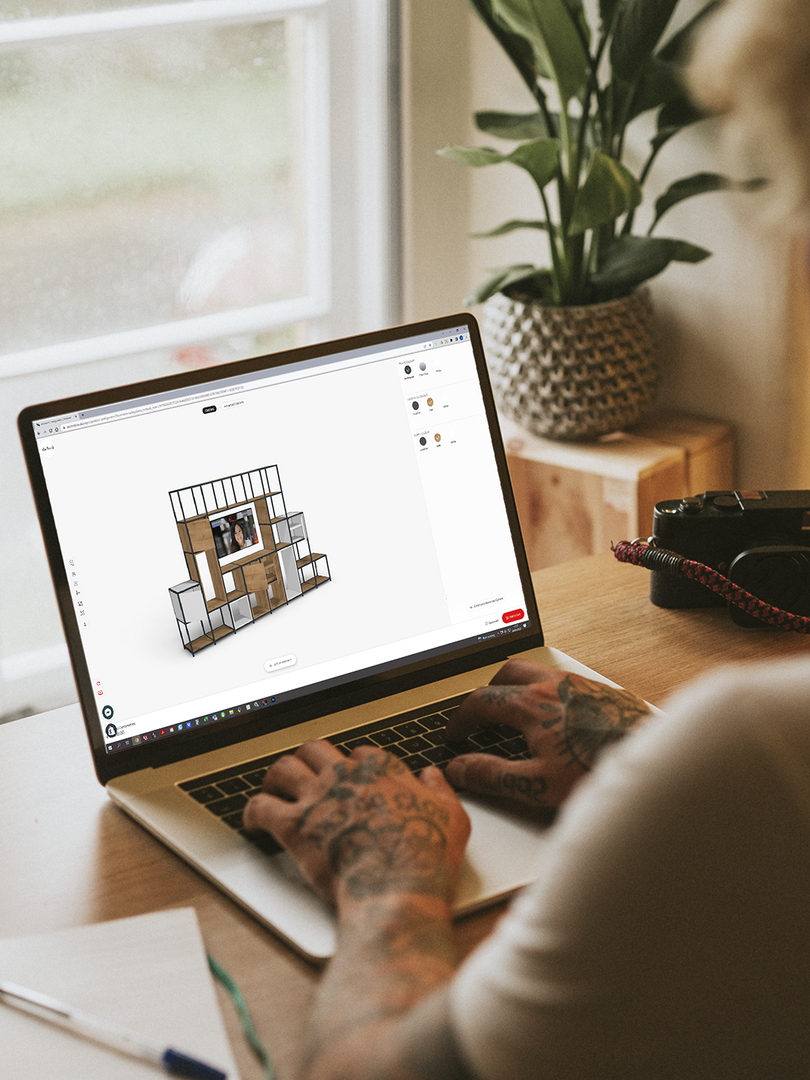
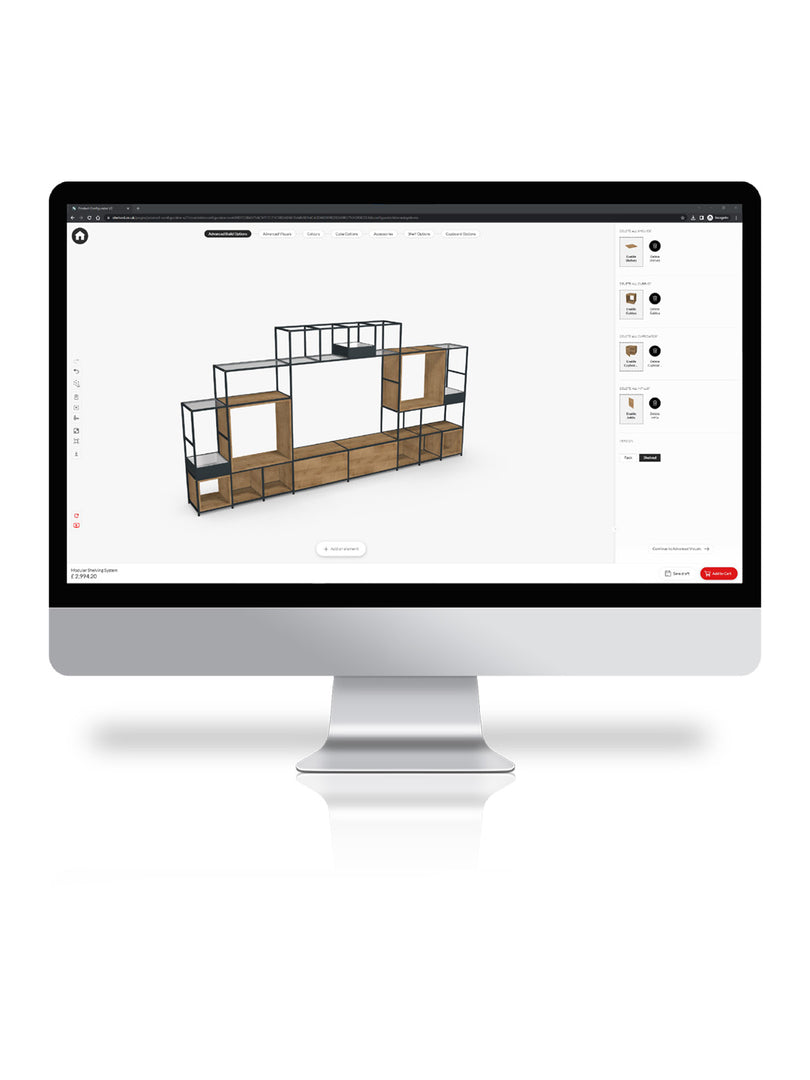
Curious how this could work in your own living room? Use our configurator to design shelving that suits your space.