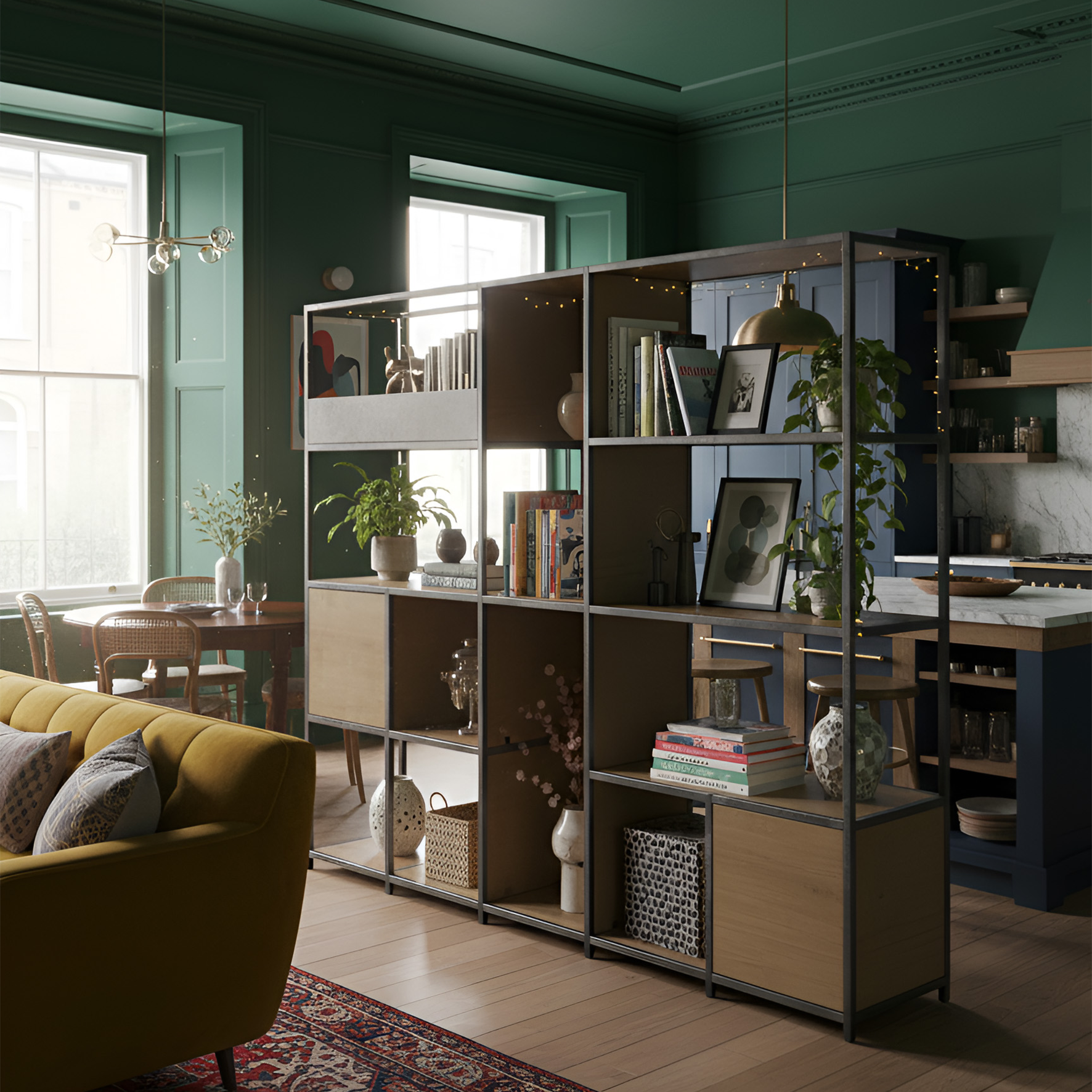
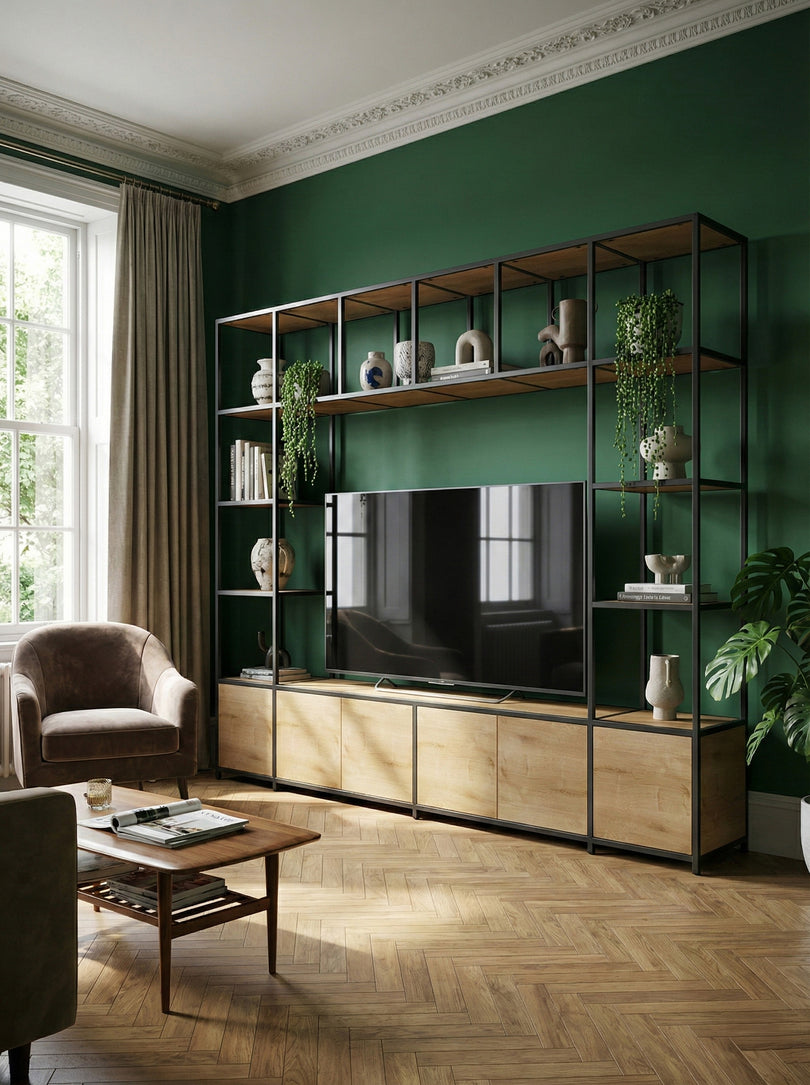
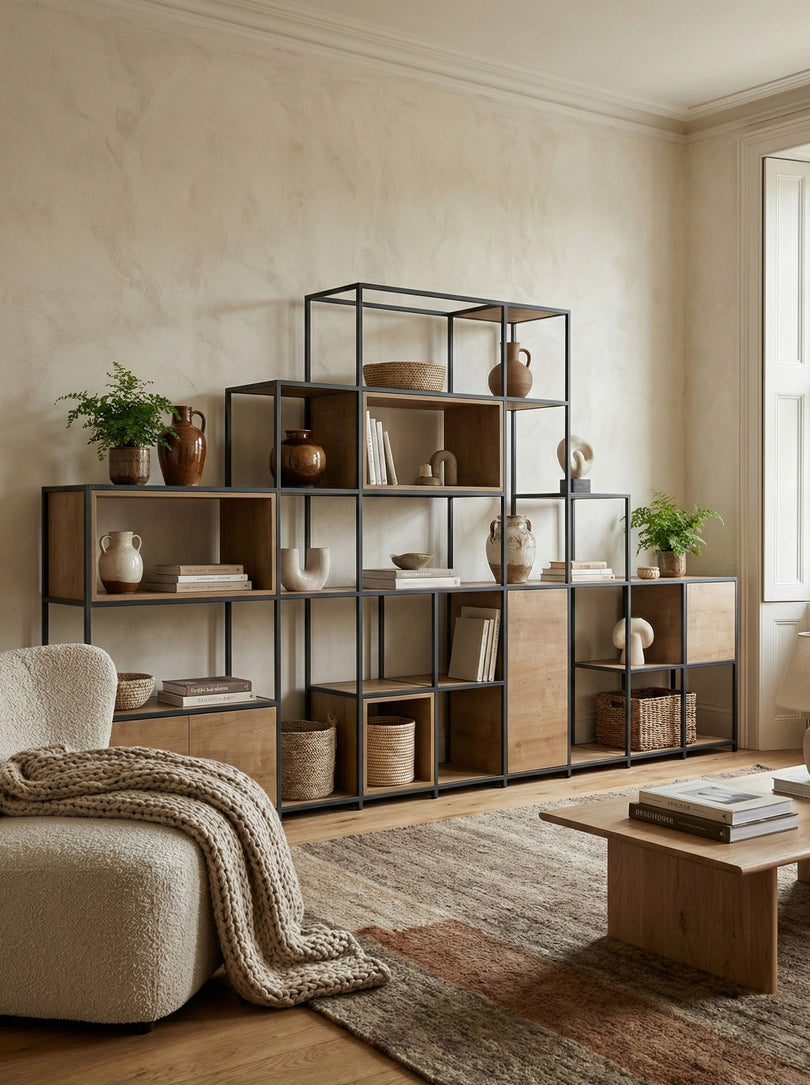
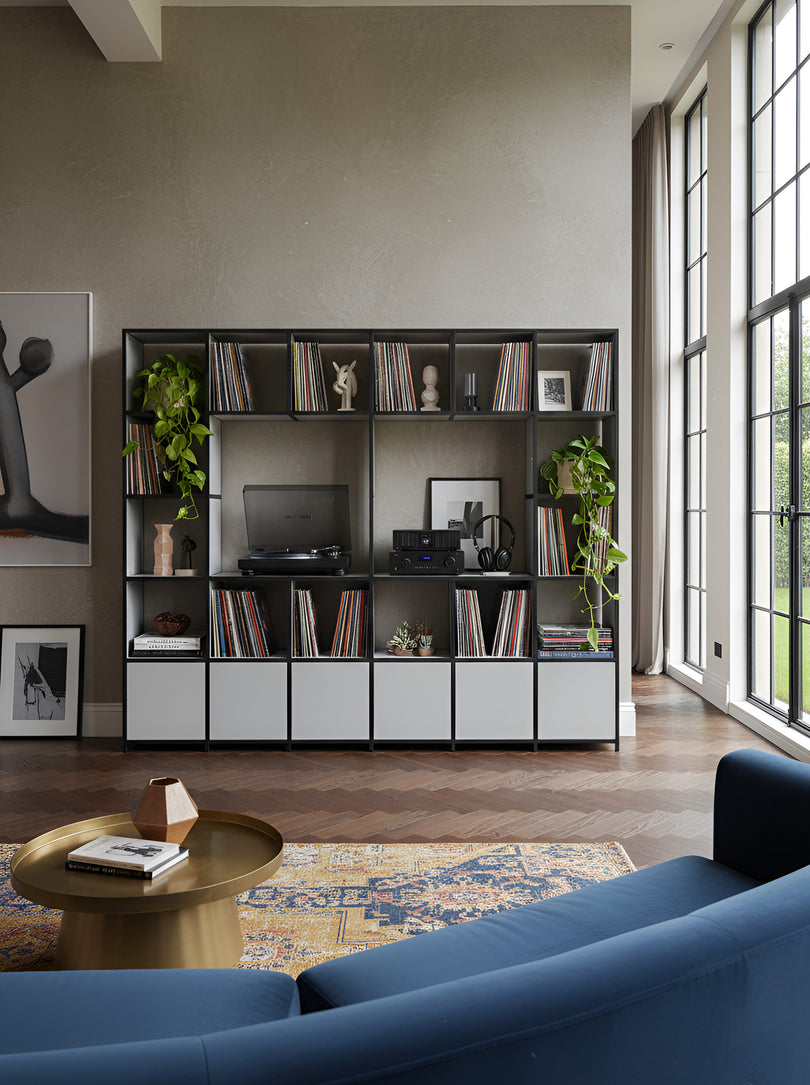

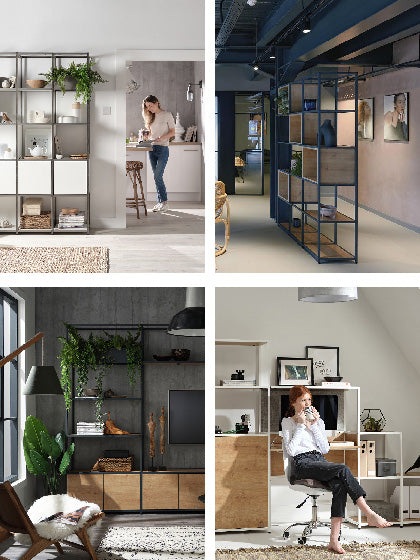
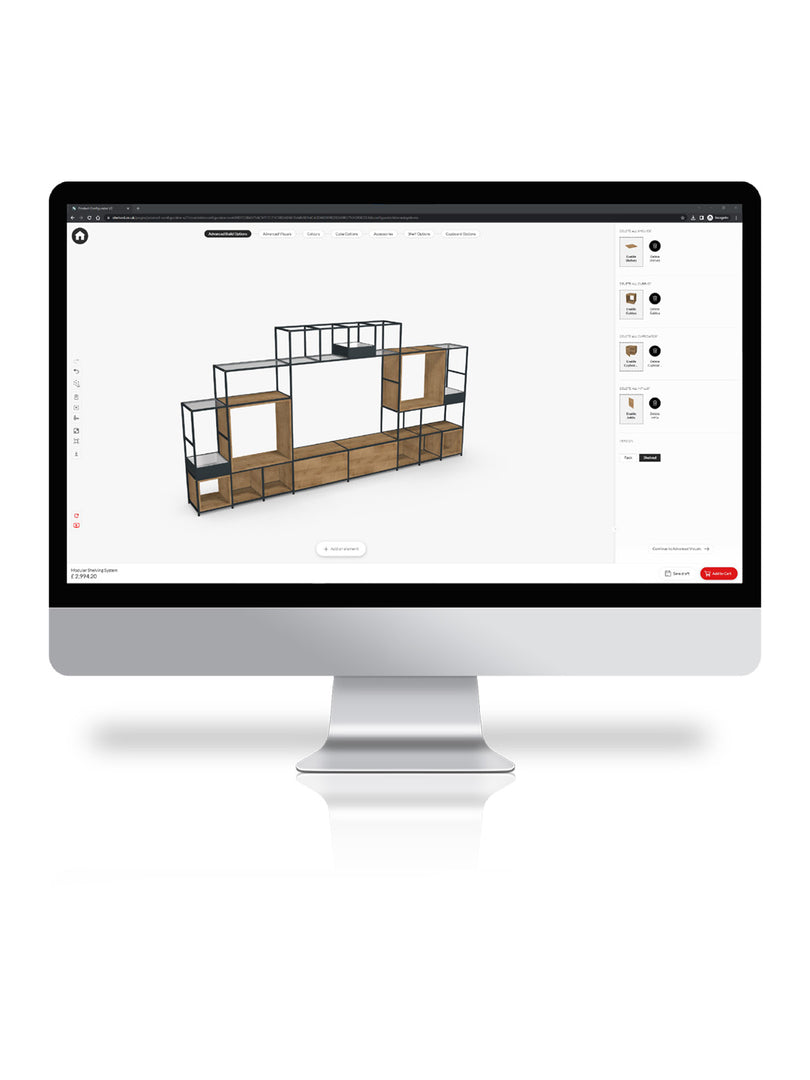

Planning storage for a room can feel like something that comes later, once everything else is in place. In reality, it often works better the other way around. Starting with the shelving actually helps shape how the room functions, making it easier to create a space that feels both practical and considered from the beginning.
Start With the Space and How It’s Used
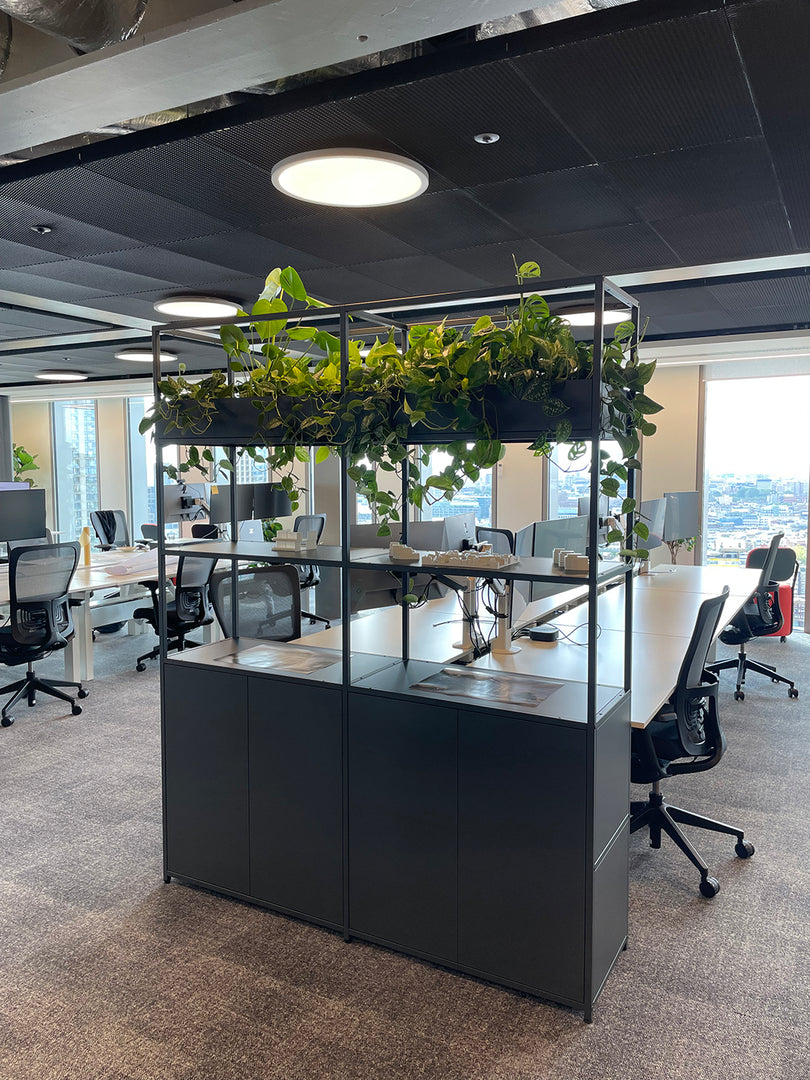
The first step is to look at the room itself. Every space has its own limitations and opportunities, whether that’s an awkward corner, a long wall, or a smaller footprint that needs to work harder. At the same time, it’s important to think about how the room will actually be used day to day. A living room that doubles as a workspace will need a different approach to one that’s purely for relaxing. By understanding both the layout and the function early on, it becomes much easier to design storage that fits naturally into the space rather than feeling added on.

Plan the Layout Before the Details
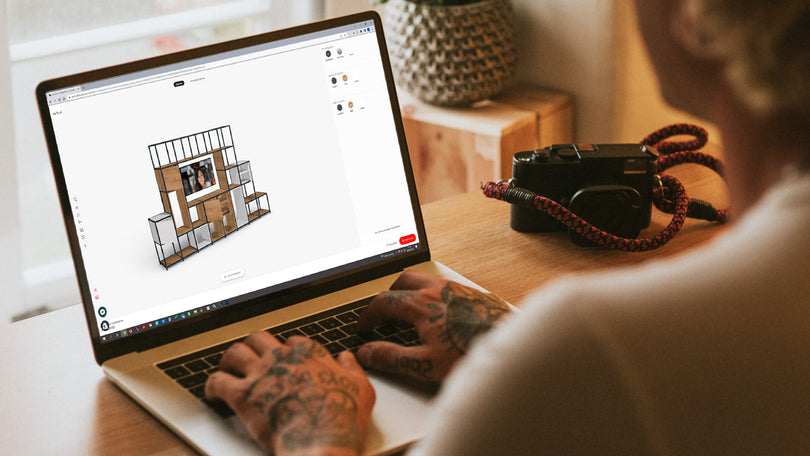
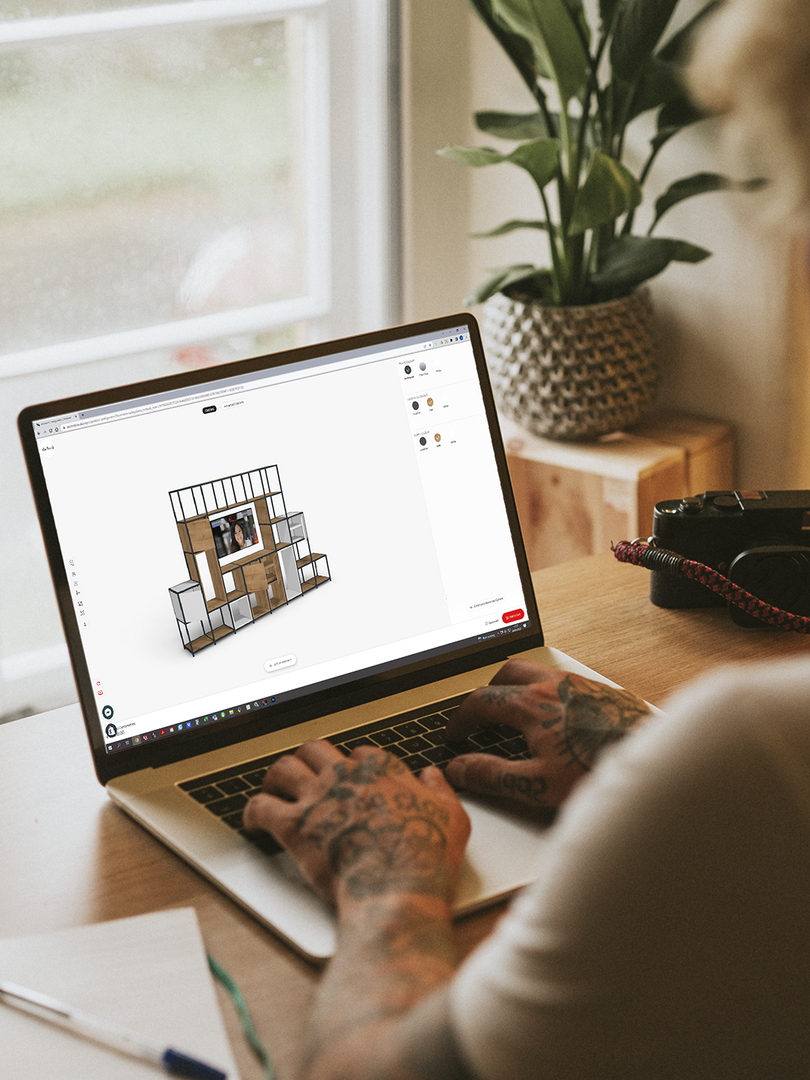
Once you have a clear sense of the space, the next step is to think about layout. This is less about individual shelves and more about the overall structure. Deciding whether you want a full feature wall, a more minimal setup, or something that works around a specific area helps set the direction. This is often where people find it useful to experiment with different configurations, adjusting widths, heights, and positioning until the layout feels right. Taking the time to get this stage right makes everything that follows much more straightforward.
Balance Storage and Make the Most of the Space
A well-planned setup needs to strike a balance between practicality and visual clarity. A mix of open and closed storage helps keep everyday items organised while avoiding a cluttered look. At the same time, making full use of the space available is key. In smaller rooms, using height can free up valuable floor space, helping the room feel more open, while also increasing overall storage capacity. Corners and awkward areas can also play an important role here. A well-designed corner unit or carefully positioned shelving can turn unused space into something functional, without adding unnecessary bulk.

Keep It Flexible
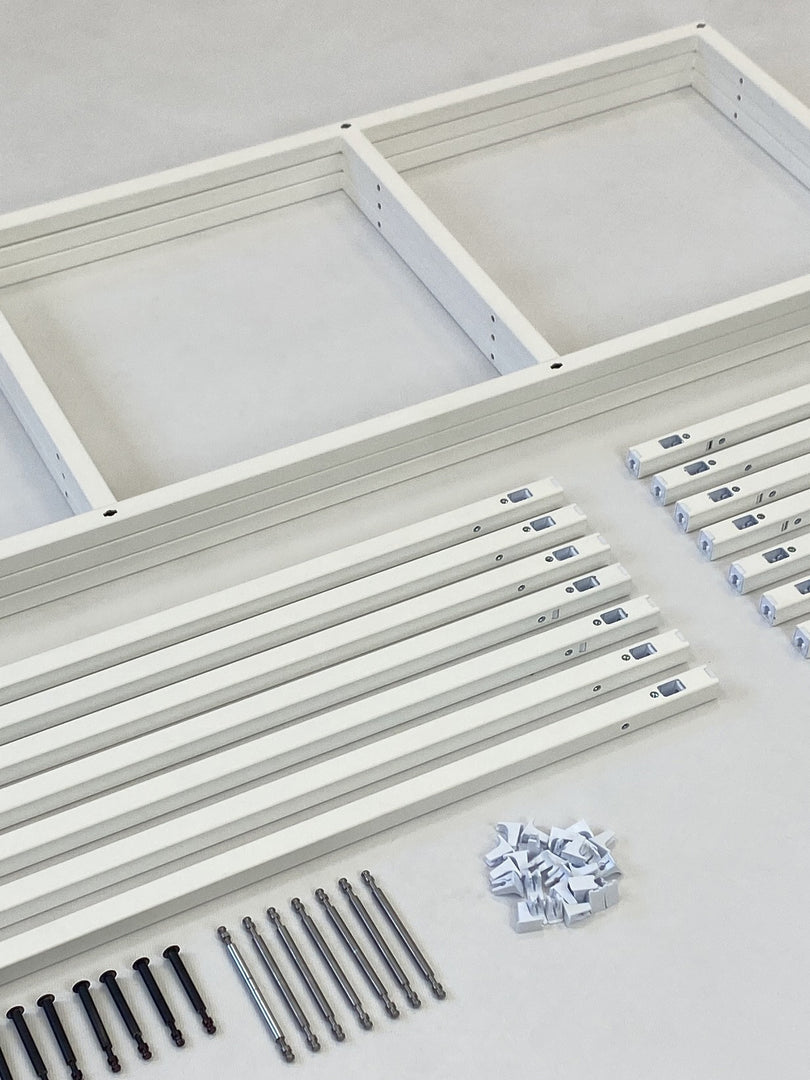
Even with a well thought-out plan, needs tend to change over time. What works now might need to adapt in the future, especially in rooms that serve more than one purpose. Storage that allows for this flexibility makes a big difference. Being able to adjust layouts, add sections, or reconfigure a setup helps ensure the space continues to work without needing a complete redesign. This is where a more modular approach can be particularly useful, allowing the room to evolve naturally as your needs change.
Getting It Right From the Start
Taking the time to plan storage from the beginning can completely change how a room comes together. Instead of trying to make things fit later on, you’re creating a setup that works with the space from the outset.
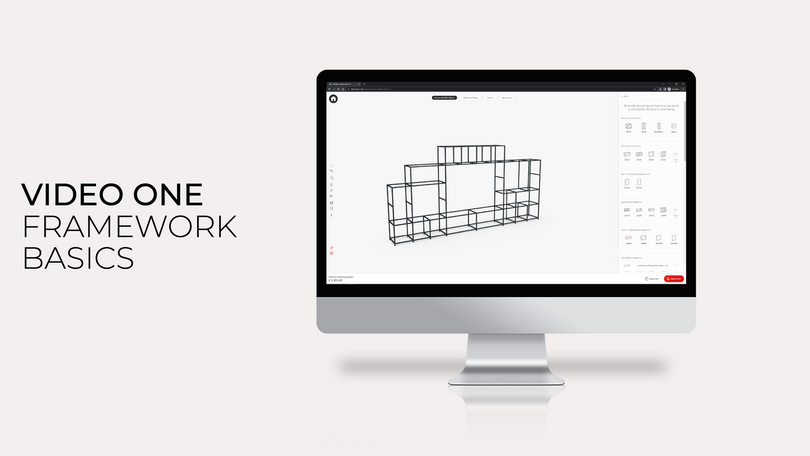
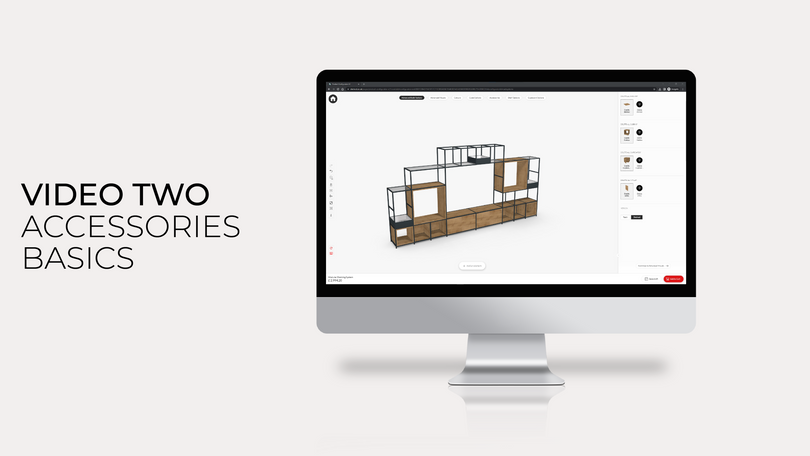
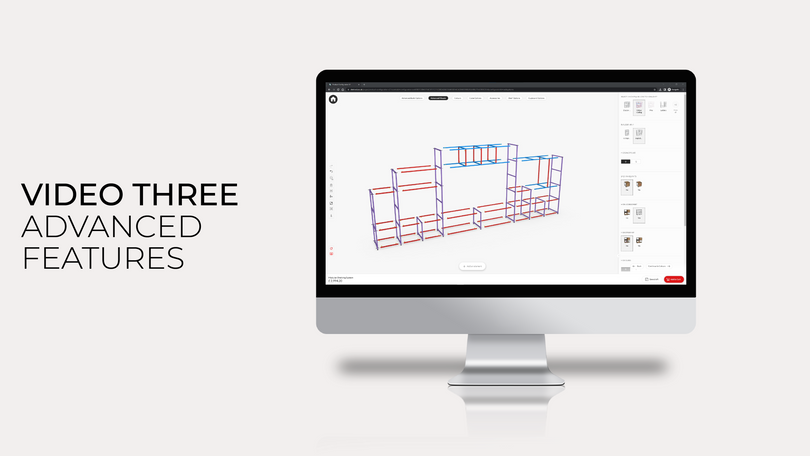
If you’re starting to plan your own layout, you can explore different options using our configurator or take a look at our configurator guides for more detailed inspiration and ideas.

FAQs
When should you start planning storage in a room design?
Storage should be planned at the very beginning of the design process. Starting early allows you to shape the layout around how the room will function, rather than trying to fit shelving into leftover space later, which often leads to compromises in both practicality and overall look.
How can you maximise storage in a small room?
In smaller rooms, using vertical space is key. Taller shelving frees up floor area and keeps the room feeling more open. Making use of corners or awkward areas can also add valuable storage without crowding the space, helping you get more function from limited square footage.
Are modular shelving systems worth considering?
Modular systems are useful because they allow you to adapt your storage over time. Instead of committing to a fixed design, you can expand or rearrange components as needed. This makes them a practical choice for growing households or spaces that need to serve multiple purposes.
How can you plan storage for vinyl records?
Vinyl storage needs to prioritise both protection and accessibility. Records should be stored upright, with sturdy shelving that supports their weight without bending. It’s also worth allowing enough space for easy browsing, while keeping the setup organised so your collection can grow over time.
How do you make storage feel part of the room design?
Storage feels more integrated when it follows the same proportions and lines as the room. Matching materials, aligning with architectural features, and planning it as part of the layout from the start helps it feel like a natural extension rather than something added later.