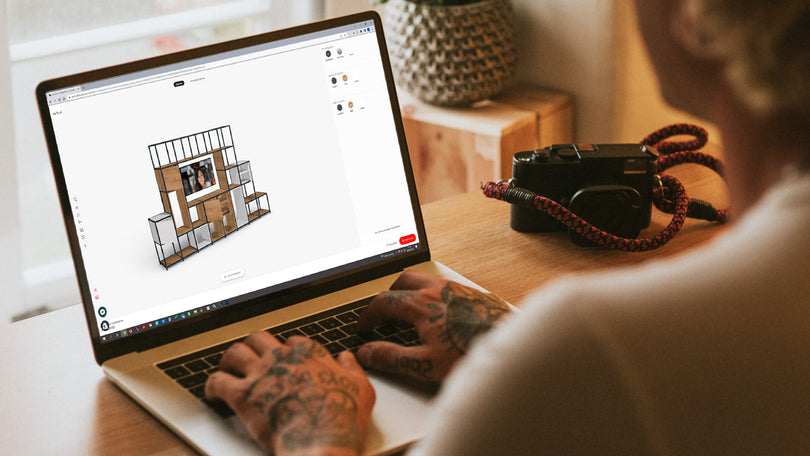
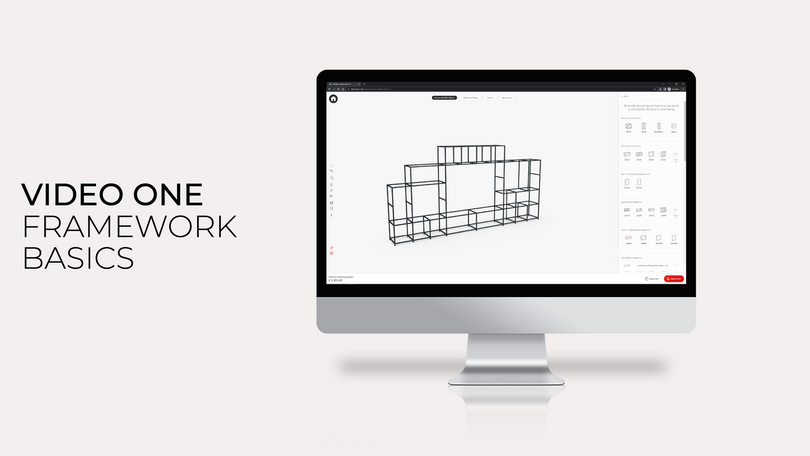
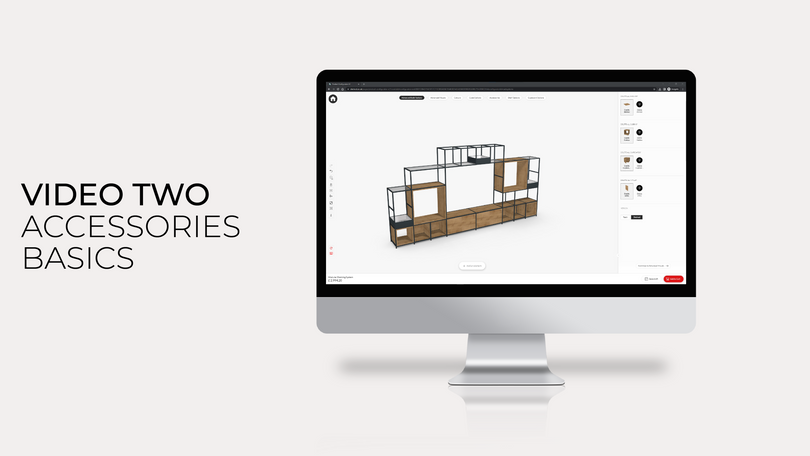
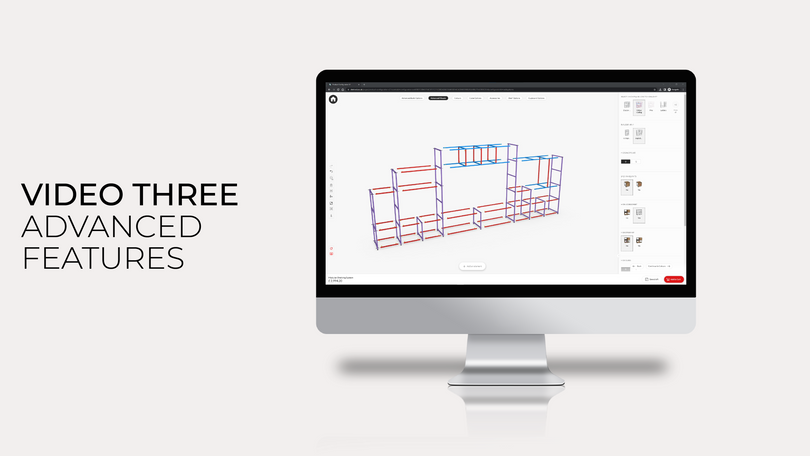
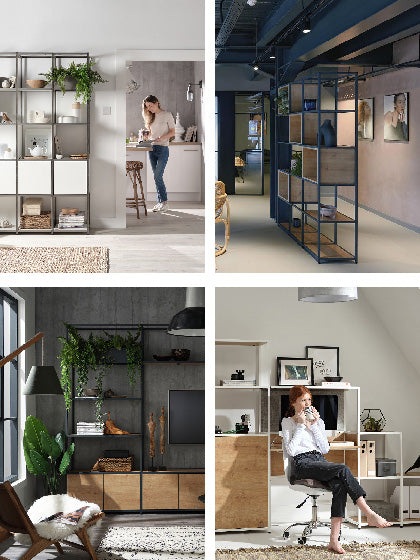

Homes don’t always have the luxury of single-purpose spaces. Living rooms become offices, spare rooms double as guest rooms, and even small corners are expected to do more than one job. When a space needs to work in different ways, storage needs to be more than single purpose.
Making Space Work Harder
Multi-use rooms rely on balance. Too much storage can make the space feel crowded, while too little can leave it feeling disorganised. The key is finding a setup that supports different uses without overwhelming the room. A well-planned shelving layout can help define how a space is used, whether that’s creating a dedicated workspace within a living room or keeping everyday items neatly organised but within reach.

Combining Storage and Function
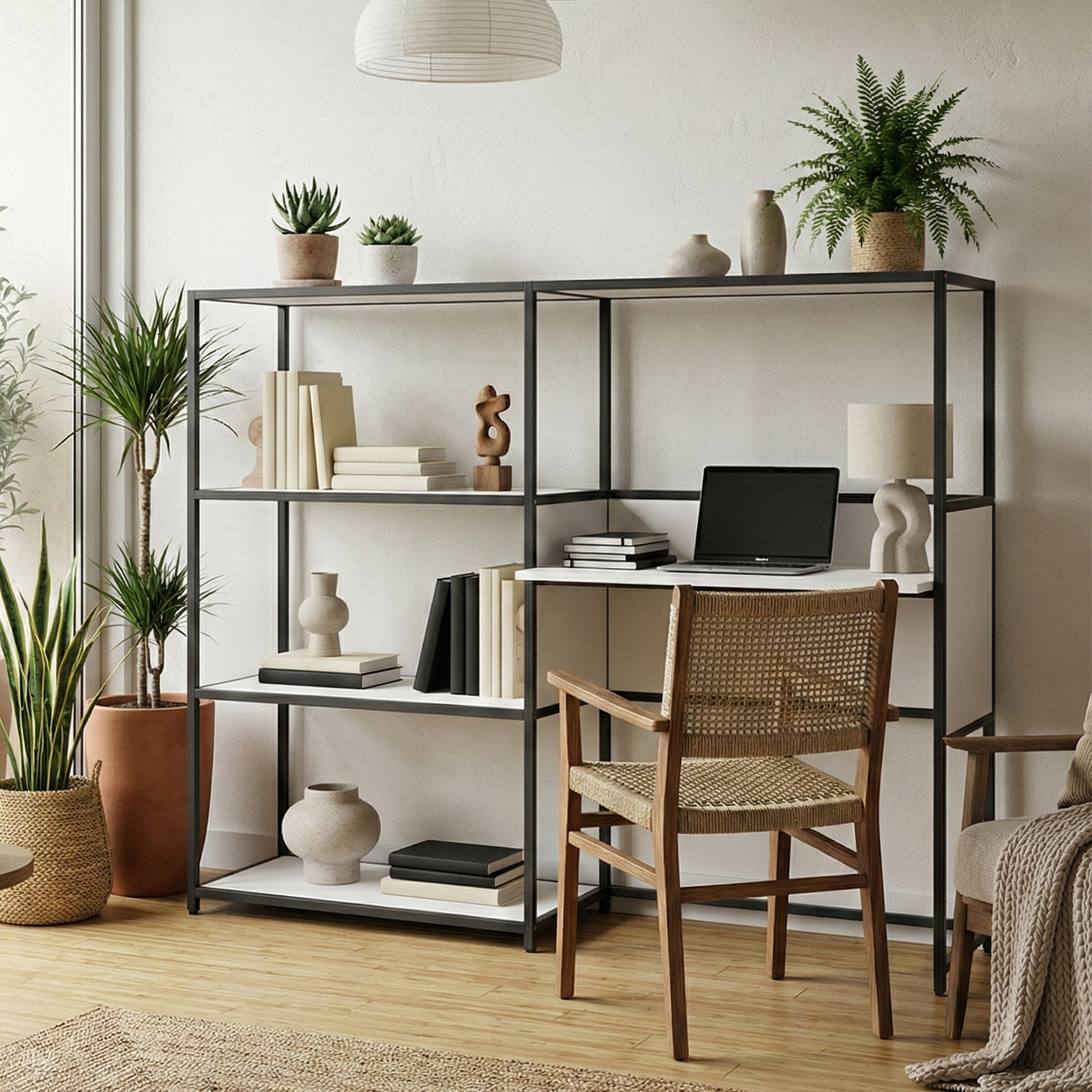
In rooms that serve more than one purpose, storage often needs to do more than just store. Shelving can incorporate practical elements like desk space, feature areas, and subtle storage, allowing everything to work together in one cohesive setup. This is particularly useful in smaller homes, where a single wall or corner might need to support both work and living.
Using Corners and Underused Areas
One of the easiest ways to improve a multi-use room is by making better use of space that might otherwise go unused. Corners, alcoves, and awkward layouts can all become valuable storage areas with the right approach. A corner unit, for example, can create a natural transition between different parts of a room, helping the space feel more considered without adding unnecessary bulk.

Keeping Things Flexible
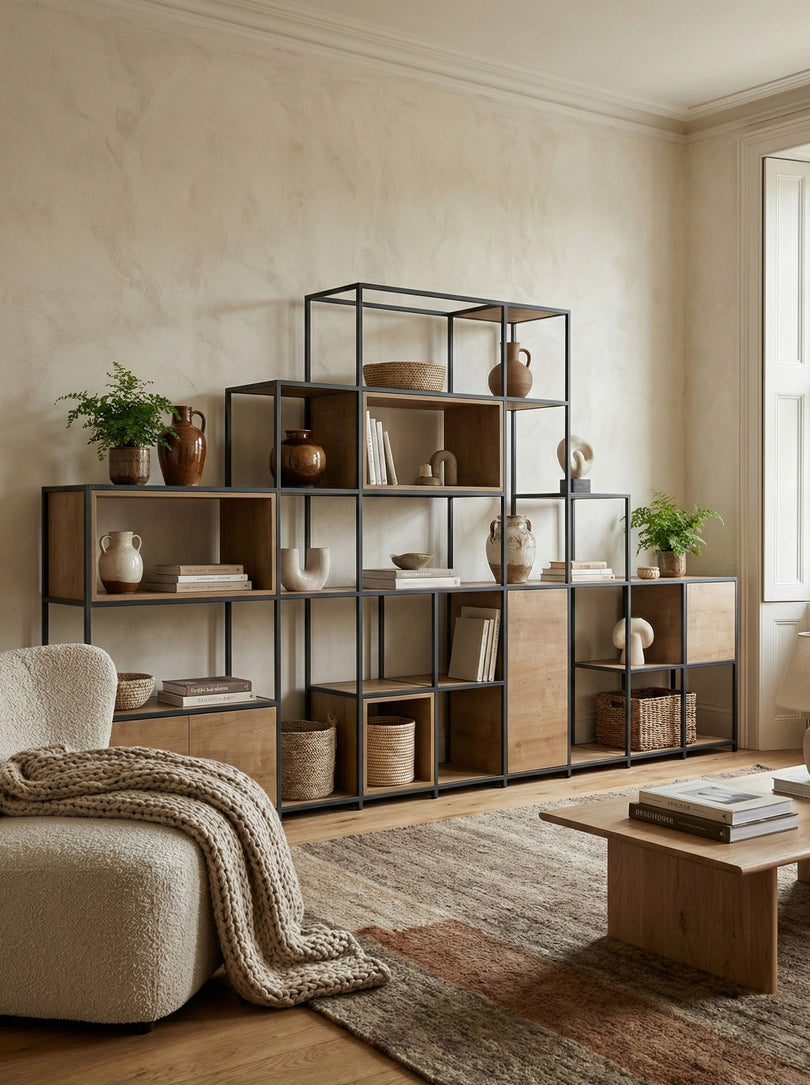
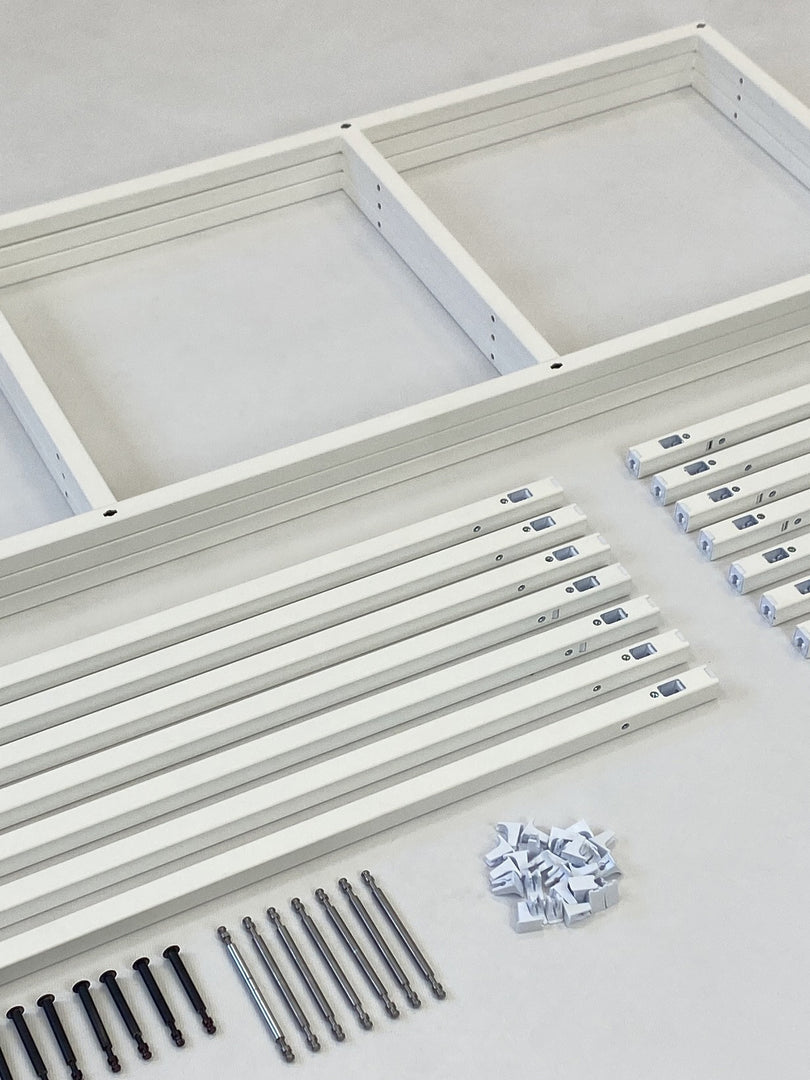
Modularity can make multi-use rooms work better long-term. As routines change, the way a space is used often changes with them. Storage that can be adjusted, expanded, or reconfigured makes it easier to adapt without starting again. Whether it’s shifting a layout, adding new sections, or reworking a feature wall, small changes can make a big difference over time.
Creating a Space That Feels Intentional
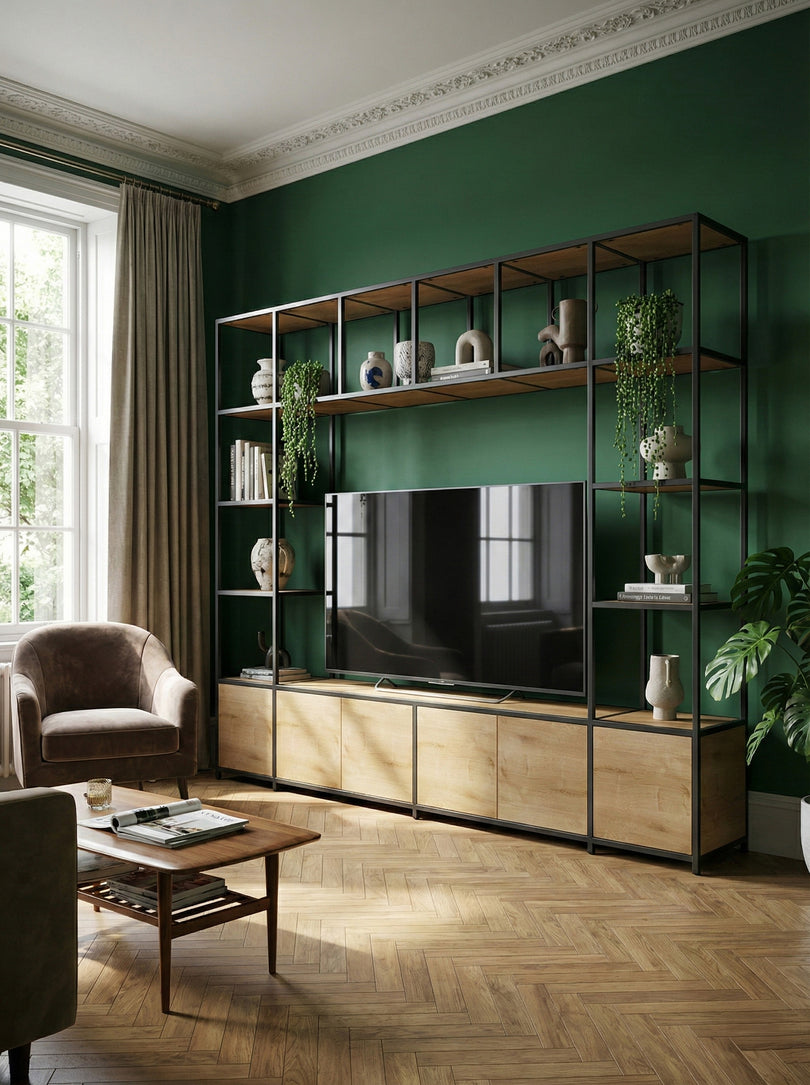
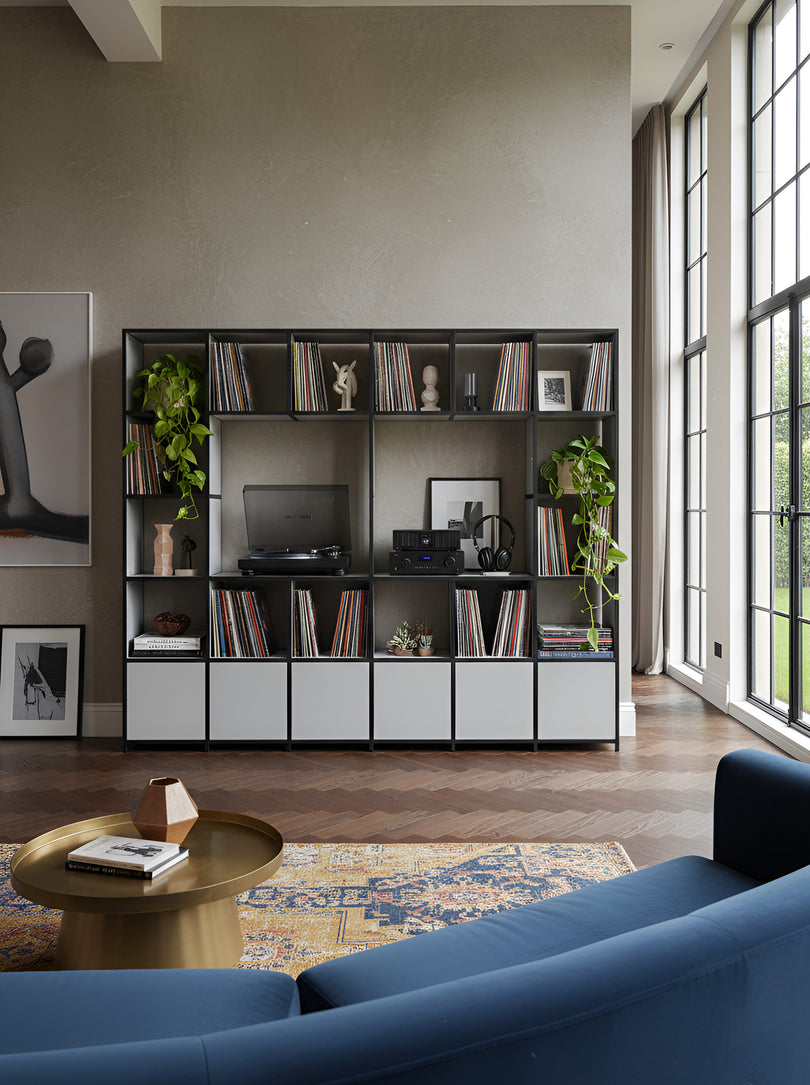
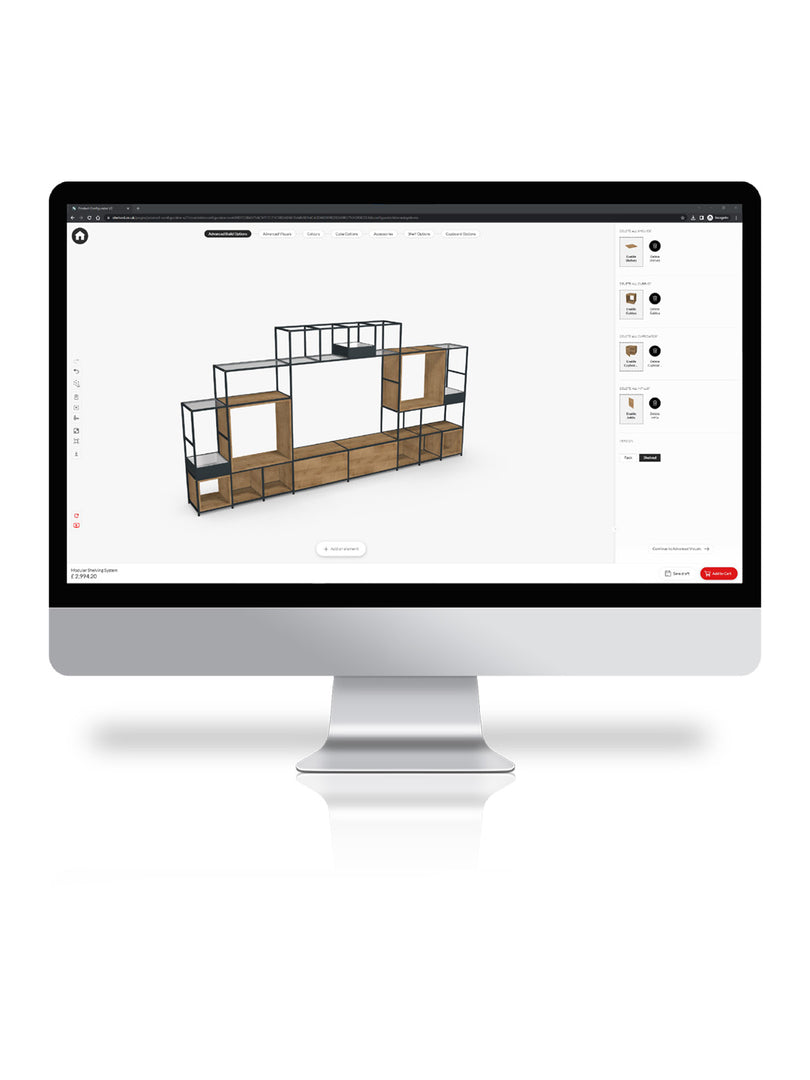
Even when a room has multiple uses, it should still feel cohesive. Storage plays a big role in this. A consistent layout, balanced mix of open and closed elements, and thoughtful placement of everyday items can help bring everything together. Introducing a combination of materials, such as wood and glass shelving, can also help a unit feel more multipurpose, adding subtle variation while still keeping the overall design unified. Instead of feeling like two separate spaces, the room works as one, with storage quietly supporting both.

Making the Most of Vertical Space
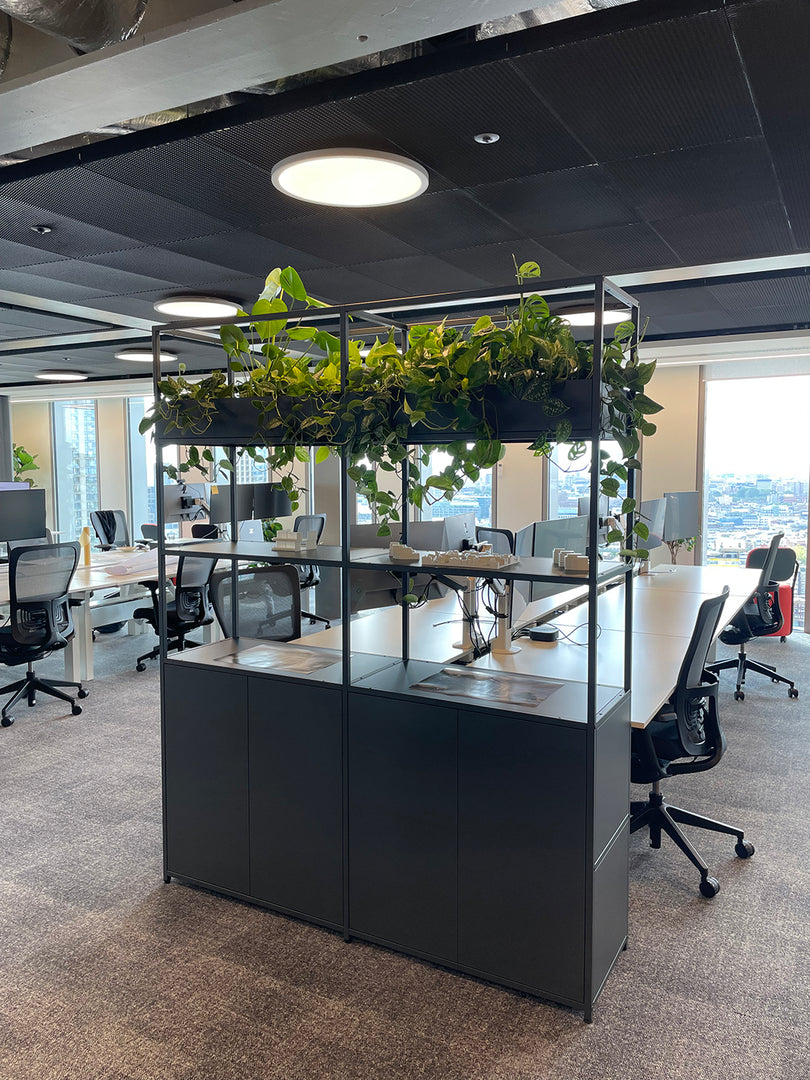
In multi-use rooms, floor space is often limited, so making use of height can have a big impact. Taller shelving draws the eye upward and frees up valuable floor area, helping the room feel more open and less crowded. This is particularly useful in smaller layouts, where keeping the footprint minimal makes a noticeable difference. A well-planned vertical setup can still feel balanced, especially when combined with a mix of open and closed storage, allowing you to maximise capacity without overwhelming the space.
A Smarter Way to Approach Multi-Use Rooms
Designing storage for a multi-use room isn’t about finding a single solution, but creating something that can adapt as your needs change. With the right approach, shelving can support different activities without compromising on space or style.
If you’re planning a new setup, send us your measurements and our team can design a bespoke storage solution tailored to your space.

FAQs
What makes storage suitable for multi-use rooms?
Storage for multi-use rooms needs to balance flexibility and structure. It should support different activities without overwhelming the space. Modular designs work well because they can be adapted over time, helping the room stay functional whether it’s used for work, relaxing, or guests.
Can one room realistically serve multiple functions well?
Yes, if it is designed with flexibility in mind. Multi-use rooms work best when storage defines zones within the space. With the right storage design, a room can comfortably support work, rest, and storage without feeling compromised or disorganised.
What type of storage works best in small multi-use spaces?
Wall-based and modular storage works particularly well. It uses vertical space efficiently while keeping the floor area open. Corner units are also useful, helping to make use of often wasted areas without encroaching on the main living space.
Is built-in style storage better for multi-use rooms?
Not necessarily. While built-in style storage can look seamless, modular systems offer more flexibility. They allow layouts to evolve as needs change, which is especially useful in rooms that serve more than one purpose over time.
What role do materials play in multi-use storage?
Materials influence how a space feels and functions. Combining finishes such as wood and glass can add contrast while keeping a cohesive look. These subtle variations help storage feel more integrated into different uses within the same room.